
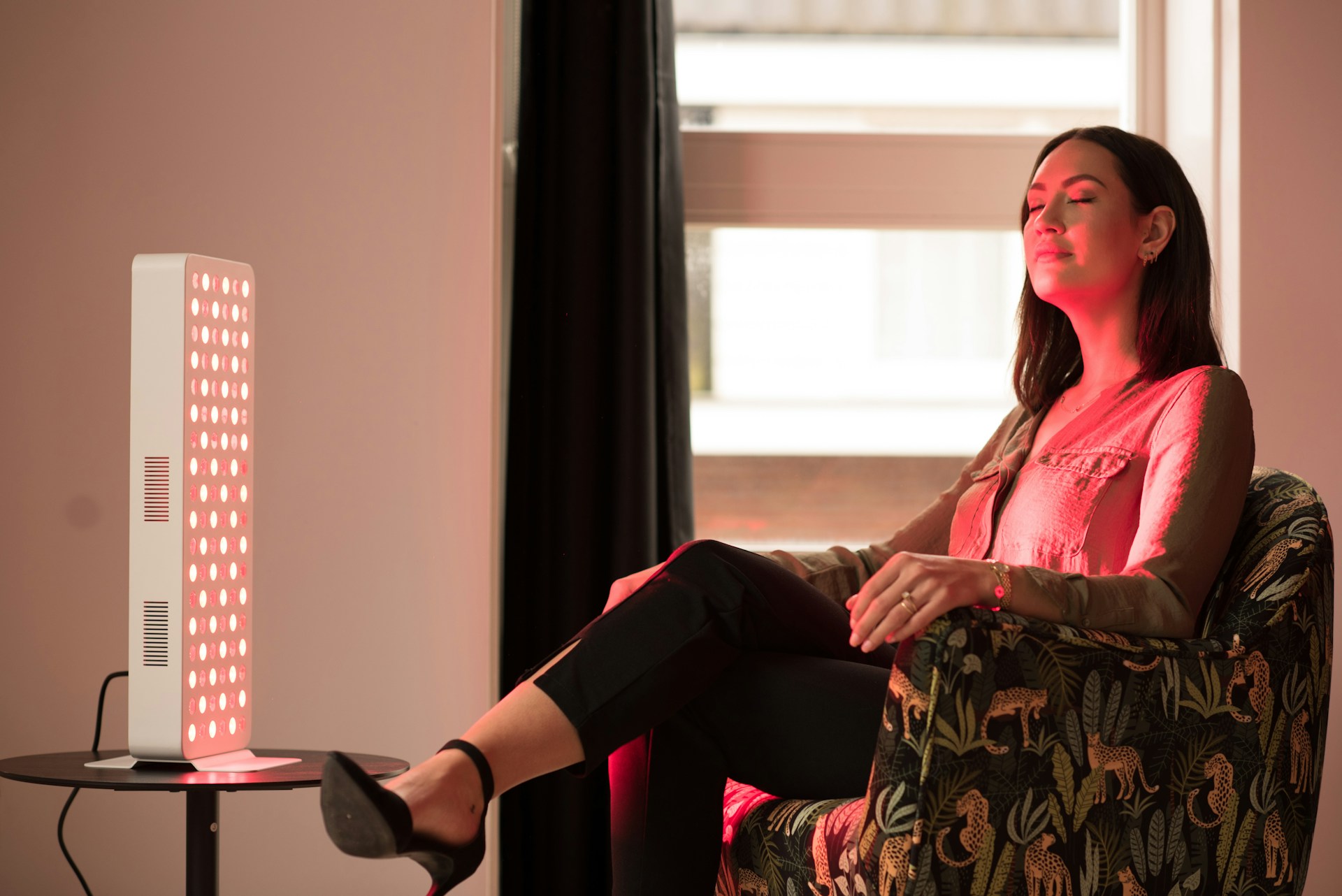
Can a little red light help your skin look healthier or ease those stubborn aches? Lately, red light therapy panels have caught plenty of attention, turning bedrooms and wellness spaces into mini treatment rooms. The idea sounds almost too good to be true: sit in front of a glowing device and let specific wavelengths do their work. But hold on! Before you turn your home into a red-lit laboratory, you need to know what this treatment can actually do.
How Red Light Therapy Works
Red light therapy uses low-level red or near-infrared light to interact with cells. Unlike ultraviolet rays, these wavelengths do not work by tanning or deliberately burning the skin. Researchers believe the light can influence mitochondria, the structures inside cells that help produce energy. This process may support cellular activity and tissue repair. Think of mitochondria as tiny power stations. Red and near-infrared light may affect how efficiently these stations operate, although scientists are still investigating the exact mechanisms. Treatment devices vary in wavelength, intensity, and coverage area. That means two glowing products can produce very different results, even if their packaging makes similar promises.
Potential Benefits for Skin and Recovery
One of the biggest reasons people try this treatment is skin health. Some studies suggest red light may help improve fine lines, skin texture, and signs of aging. It may also support collagen production, a protein that helps skin maintain firmness. However, results tend to develop gradually rather than appearing after one dramatic session. There is also interest in its potential role in muscle recovery and pain management. Certain studies suggest red light therapy may help reduce inflammation or discomfort in specific conditions. Athletes sometimes explore it as part of their recovery routine after demanding workouts. Still, it should complement sensible training, proper rest, and medical care rather than replace them.
Possible Risks and Side Effects
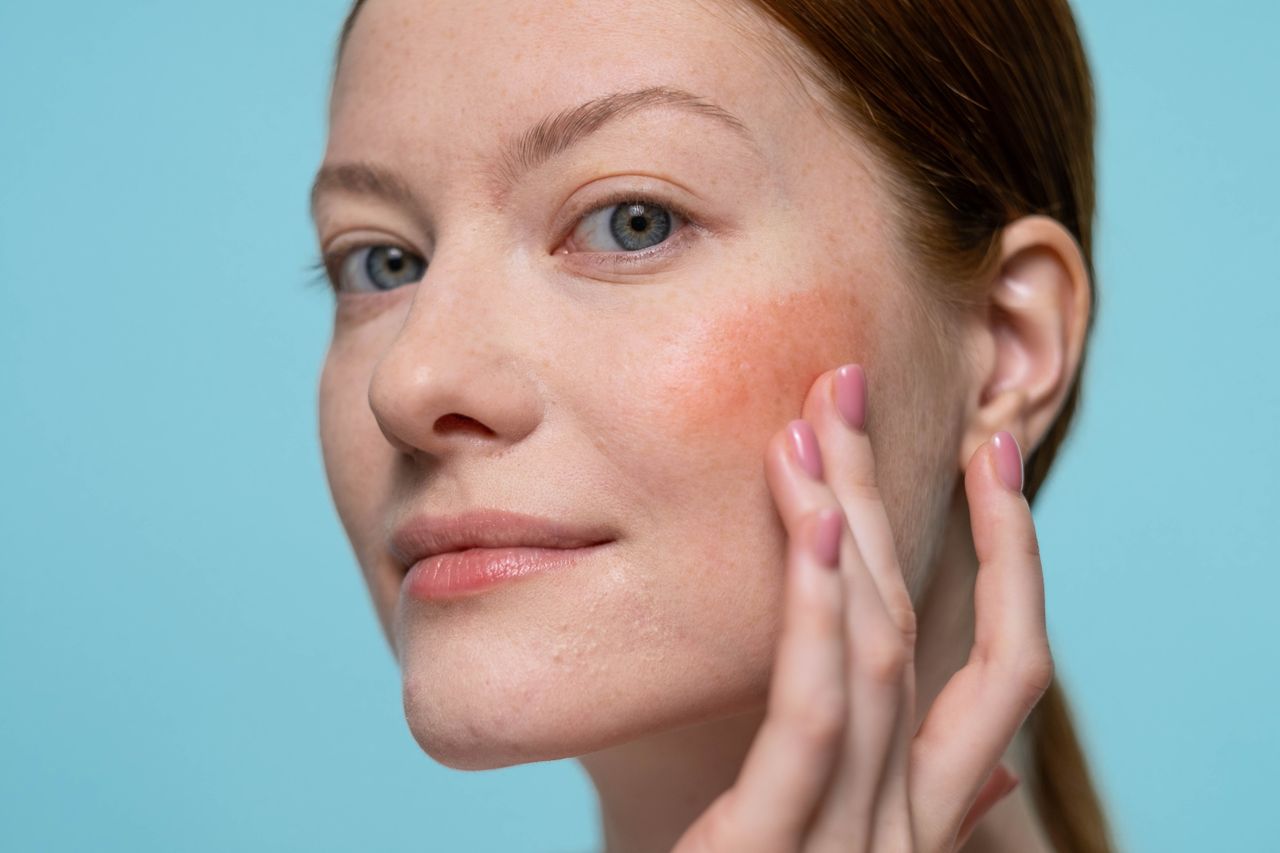
Good news: red light therapy is generally considered low risk when used correctly. It does not expose the skin to the same ultraviolet radiation associated with tanning beds. Some users may experience temporary redness, irritation, or discomfort. These reactions are usually mild, but persistent symptoms deserve attention. Your eyes need protection, too. Bright treatment devices can cause discomfort, particularly when used at close range or without suitable eye protection. Follow the manufacturer’s instructions and avoid staring directly into the light source. People taking medications that increase light sensitivity, or those with certain eye and skin conditions, should consult a healthcare professional before starting treatment.
Why Red Light Therapy Has Limits
Here is where the hype needs a reality check. Red light therapy is not a magic wand for every health concern. Evidence varies depending on the condition, treatment method, and device used. A promising result in one small study does not prove that every product will deliver the same outcome. Device quality also matters. Wavelength, power output, treatment distance, and session length can influence exposure. More power does not automatically mean better results. Before buying a home device, compare its specifications, safety information, and independent reviews. A useful starting point is a buying guide that evaluates different red light therapy panels and their features.
Making a Smarter Treatment Decision
Start by identifying your actual goal. Are you interested in skin appearance, muscle recovery, or another specific concern? That answer can help you assess the research and choose a suitable treatment approach. Avoid products promising instant transformations or cures for serious diseases. Consistency matters, but patience matters just as much. Follow the recommended session schedule instead of assuming longer exposure produces faster improvements. Track changes over several weeks and stop if you experience unusual irritation or discomfort. Most importantly, speak with a qualified healthcare professional if you have a medical condition or persistent symptoms.
The Bottom Line: Keep Expectations Realistic
Red light therapy has interesting potential, particularly for certain skin and recovery concerns. However, its benefits depend on the application, and important questions remain unanswered. That’s why a little research before switching on that glowing panel can save you money, time, and plenty of disappointment.